Key Features of Smart CNC Systems in Modern Manufacturing
Author: Radonix R&D Team
Smart CNC systems represent the evolution of conventional Computer Numerical Control platforms into connected, data-driven, and adaptive production environments.
Unlike traditional CNC machines that execute predefined programs with limited feedback intelligence, smart CNC architectures integrate analytics, connectivity, and automation to improve performance consistency and operational visibility.
For manufacturers competing in precision-driven sectors, smart CNC systems are no longer optional enhancements — they are strategic infrastructure.
Below is a structured breakdown of the core features that define smart CNC systems and how they impact industrial performance.
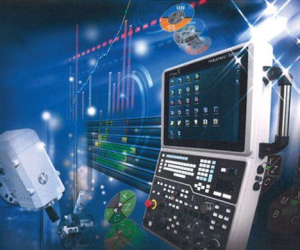
1. Advanced Data Management and Analytics
Smart CNC systems continuously collect operational data across multiple parameters.
Real-Time Monitoring
Integrated sensors track:
- Spindle load and speed
- Axis vibration levels
- Temperature variations
- Tool wear conditions
- Cycle time metrics
This real-time feedback provides immediate insight into machine behavior under load.
Data Processing and Optimization
Collected data is analyzed using structured analytics models to identify inefficiencies, performance deviations, and recurring patterns. Instead of relying on manual log reviews, production managers gain actionable dashboards.
Predictive Maintenance
By analyzing trends in vibration, temperature, and load fluctuation, smart CNC systems support predictive maintenance strategies. This reduces unexpected breakdowns and improves overall equipment effectiveness (OEE).
Industrial Impact:
- Higher machine utilization rates
- Reduced unplanned downtime
- More stable production quality

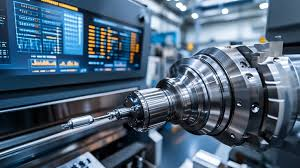
2. Flexible Manufacturing and Customization
Modern production environments demand rapid adaptation to variable product requirements.
Dynamic Reconfiguration
Smart CNC platforms allow quick adjustment of machining parameters, tooling logic, and process sequencing.
Modular System Architecture
Expandable I/O modules, additional axes, and upgraded feedback devices can be integrated without replacing the entire system.
Multi-Operation Capability
Advanced control systems coordinate multiple machining operations efficiently, reducing transition time between tasks.
Industrial Impact:
- Efficient small-batch production
- Faster changeovers
- Reduced setup time
3. IoT Integration and Connected Infrastructure
Connectivity is a defining characteristic of smart CNC systems.
Machine-to-Machine Communication (M2M)
Connected CNC units exchange operational data with robotic systems, inspection stations, and supervisory platforms.
Cloud-Based Monitoring
Machine data can be transmitted securely to centralized platforms for multi-site performance tracking.
Digital Twin Environments
Virtual models replicate machine conditions, enabling simulation, parameter testing, and workflow validation without interrupting production.
Industrial Impact:
- Remote production supervision
- Centralized data control across facilities
- Improved R&D simulation workflows

4. Autonomous Decision-Making and Adaptive Control
Smart CNC systems incorporate control logic that responds dynamically to production conditions.
Learning-Based Optimization
Historical machining data informs parameter refinement over time.
Adaptive Machining Control
If material hardness, vibration levels, or thermal variation changes during machining, the system adjusts feed rates or cutting strategies within safe limits.
Real-Time Error Detection
Abnormal behavior triggers alerts or controlled process pauses to prevent defective output.
Industrial Impact:
- Improved dimensional stability
- Reduced scrap rates
- More consistent surface finish quality
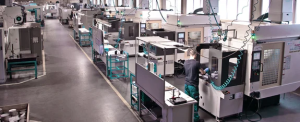
5. Energy Efficiency and Sustainability
Smart CNC platforms contribute to more responsible energy management.
Intelligent Energy Use
Energy consumption is optimized based on active machining states rather than continuous full-load operation.
Reduced Material Waste
Optimized toolpaths and condition monitoring decrease unnecessary scrap and tool damage.
Sustainable Production Alignment
Energy-efficient drives and optimized motion profiles reduce overall environmental impact.
Industrial Impact:
- Lower operating costs
- Improved sustainability metrics
- Compliance with environmental standards
6. User Interface, Safety, and Operational Visibility
Operational usability remains critical even in advanced automation environments.
Intuitive Human-Machine Interfaces (HMI)
Modern graphical interfaces simplify machine setup, monitoring, and diagnostics.
Remote Accessibility
Supervisors can securely monitor machine performance from centralized dashboards.
Integrated Safety Systems
Collision detection, emergency stop protocols, and safe motion zones protect both operators and equipment.
Industrial Impact:
- Reduced operator error
- Faster training cycles
- Safer production environments
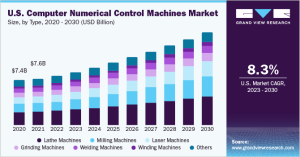
Strategic Perspective: Why Smart CNC Systems Matter
Smart CNC systems are not defined by a single feature but by the integration of data, motion control, connectivity, and adaptive logic into one cohesive architecture.
For manufacturers in automotive, aerospace, medical, electronics, and precision tooling sectors, these systems provide:
- Higher production stability
- Better visibility across operations
- Improved long-term cost efficiency
- Greater responsiveness to market demands
When implemented correctly, smart CNC platforms transform isolated machines into intelligent production nodes within a connected manufacturing ecosystem.
To explore how advanced CNC control systems support smart manufacturing strategies, contact Radonix or use the chatbot in the bottom right corner to connect directly with our technical team.
Contact Us:
- E-Mail: info@radonix.com
- Phone: +90 (553) 920 5500