Engineering CNC Automation with Industrial Robotics
Author: Radonix R&D Team
The integration of robotic technologies with CNC (Computer Numerical Control) machines is reshaping modern manufacturing.
When robotics and CNC are engineered to work as one system, rather than two separate islands, production becomes more consistent, more scalable, and easier to monitor.
For many workshops and factories, the real advantage is not “automation for automation’s sake.”
It’s building a production cell that reduces handling errors, stabilizes cycle times, and keeps quality predictable across long runs.
Why CNC + Robotics Works So Well
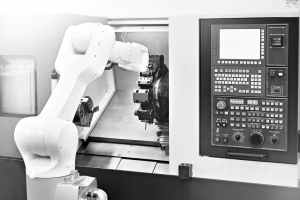
CNC machines deliver repeatable motion and high-precision machining. Robots add reliable material movement, part transfer, and task automation around the machine.
When combined, CNC and robotics can support:
- Higher machine utilization through automated loading/unloading
- Reduced human variability during repetitive handling tasks
- Safer workflows in demanding or hazardous operations
- More predictable throughput with fewer bottlenecks
The Practical Roles Robots Play Around CNC Machines
Robotics integration is most successful when it targets real production constraints. In CNC environments, the most common and valuable robot functions are straightforward and measurable.
Material Handling
Robots can load raw materials, position workpieces, and unload finished parts with consistent placement accuracy. This reduces handling time and minimizes the risk of part damage.
Continuous Production
Robotic cells can keep production moving during breaks, shift transitions, or when skilled operators are limited. This is especially valuable for repeat jobs where process stability matters.
Multi-Machine Support
A properly designed robot cell can service multiple CNC machines in a coordinated workflow. This increases flexibility in job scheduling and can help smaller teams manage larger output.

Digitization and Connected Manufacturing
Robotic-CNC integration becomes significantly more valuable when it is connected to a control and monitoring layer. A connected cell allows operators and supervisors to see what is happening in real time and respond before downtime becomes expensive.
This is where modern CNC control systems matter: reliable communication, stable machine status signals, and consistent feedback loops make robotics integration smoother and more predictable.
Artificial Intelligence and Predictive Maintenance
Predictive maintenance is not a buzzword when it is built on real machine signals. In integrated CNC cells, the goal is simple: detect abnormal behavior early and act before a failure becomes a shutdown.
In practice, this may include monitoring:
- Spindle load trends
- Axis behavior anomalies
- Cycle time drift
- Temperature or vibration changes (when sensors are installed)
Robotic cells can support this by ensuring consistent handling and reducing the chances of human-driven variability that hides early warning signs.
IoT Integration Between Robots and CNC Machines
IoT-enabled connectivity allows robots and CNC machines to share production status and operational data. The advantage is not just “data collection,” but faster decision-making on the shop floor.
Examples of practical IoT use in CNC robotic cells include:
- Machine-state synchronization (run, idle, alarm)
- Automated stop or pause actions when a fault is detected
- Traceability logging for batches and job IDs
- Performance dashboards for utilization and throughput
For SMEs, the best approach is to start with the signals that matter most—machine status, alarms, and production counts—then expand to deeper analytics as the workflow matures.

Autonomous Operations and Production Stability
Autonomous behavior in manufacturing should be designed with safety and predictability in mind. The most valuable “autonomy” is not full self-direction—it is consistent execution of defined routines with clear fallback behavior.
In robotic CNC cells, autonomy can support:
- Automatic handling sequences with safety interlocks
- Adaptive pacing based on machine readiness
- Controlled recovery routines after minor interruptions
The objective is stable output with fewer manual interventions, while keeping operator control and safety standards intact.
Energy Efficiency and Sustainability
Robotic technologies can contribute to more efficient production when cell motion and machine utilization are optimized.
Practical sustainability wins often come from:
- Reduced idle time (machines spend less time waiting)
- Lower scrap rates through consistent handling and positioning
- Cleaner waste workflows when parts and scrap are routed correctly
Sustainability in CNC operations is typically achieved through incremental operational improvements, reducing waste, stabilizing quality, and improving utilization—not through a single “green feature.”
How to Approach Integration in a Real Shop
A reliable integration plan focuses on engineering fundamentals and staged rollout.
1) Define the Target Process
Start with one repeatable workflow: loading/unloading, part transfer, or pallet handling.
2) Confirm Cell Requirements
Clarify:
- Part sizes and weights
- Required cycle time
- Required positioning accuracy
- Safety and guarding requirements
3) Align Robot Control With CNC Signals
Integration succeeds when the robot has clean, consistent signals for machine readiness, alarms, and cycle completion.
4) Pilot, Validate, Then Expand
Begin with one machine and a limited number of part types. Once the workflow is stable, expand to additional machines or additional job families.
Conclusion
The integration of robotic technologies into CNC machines is one of the most practical ways to increase production stability, reduce handling errors, and improve overall throughput, especially when the integration is designed around real shop constraints.
A successful CNC robotic cell is built on reliable control, clean machine signals, and a staged implementation plan that prioritizes safety, predictability, and measurable operational outcomes.
For support in designing or upgrading a CNC automation workflow, contact Radonix or use the chatbot in the bottom right corner to speak with our team.
Contact Us:
- E-Mail: info@radonix.com
- Phone: +90 (553) 920 5500